

Spring Awakens Across the Heaths and Estuary
As the first signs of spring begin to ripple across our heaths, estuary, and coastline, there’s a familiar sense of anticipation in the air — that quiet moment before the season truly bursts into life. It’s a time of year that always feels exciting for our team, as the landscape shifts, the daylight stretches out, and the wildlife we work so hard to protect begins the first chapter of the year: the bird breeding season.
Before we dive into what’s ahead, I’d like to pause and introduce (or reintroduce!) the people behind the scenes. The success of our Let Birds Be competition at the end of last year, bought many new subscribers to our newsletter, so it feels like a pertinent time to tell you a bit about ourselves and the work we do as Wardens. Thanks to everyone who entered the competition, and everyone who avoided the Wildlife Refuges over the winter season, ensuring our wintering waders had space to rest and feed undisturbed on the shores of the Exe.
As Wildlife Wardens, we work across the Exe Estuary, Dawlish Warren, and the East Devon Pebblebed Heaths, helping visitors connect with these internationally important sites while safeguarding the species that depend on them. You might meet us walking the heaths, or at a ‘pop-up’ where we set up our blue gazebo as we welcome visitors in one of the car parks. We’re always armed with literature and top-tips to help guide you as you wander out to explore. Need a map? We’ve got you. Want to know what wildlife you might see? We’re here to help. Forgotten your dog poo bags? Drop by, we have reams of them. Next time you see us, stop and say hello, we love to hear your wildlife stories and connections to the landscape.
Whether we’re chatting with dog walkers on the paths, running family events, monitoring wildlife, or responding to the unexpected challenges that nature throws our way, our shared goal is simple: to help these special places thrive for generations to come. With the advent of spring many of our most vulnerable birds — including the elusive ground‑nesting heathland resident Dartford Warbler and migratory Nightjar— are settling down to breed. Their nests are often incredibly well‑camouflaged, which is wonderful for protection but tricky when it comes to busy footpaths and curious paws. That’s why one of our most important messages at this time of year is a familiar one: please keep paws on paths. A dog bounding just a few metres off‑trail can accidentally disturb a nest or cause a parent bird to abandon precious eggs. Small actions from all of us make a huge difference.
So as you head out to enjoy the sunshine, the skylarks, and the first flush of spring colour, thank you for treading gently. Your choices help protect the wildlife that makes South East Devon such a remarkable place to live, visit, and explore. We’re excited to share another season of stories, sightings, and behind‑the‑scenes moments with you — and we hope to see you out on the paths soon.
Coming up in this packed edition of Shores, Heaths and Dunes: Warden Marije explores our complicated relationship with Herring Gull and Warden Imo highlights some of the local wildlife busy this breeding season. Want to find out more about our piece on BBC Countryfile? (yes, that’s right, we were on actual telly!) Head to Warden Katie’s behind the scenes run down. Site manager Steve Edwards gives us an update on Dawlish Warren National Nature Reserve AND there’s an article on the evolution of our understanding of migration. Better get that kettle on!
All the best, Warden Sama
Get to Know the Team!
Our team has been growing, and we’re excited to introduce some new faces! As our work continues to expand, we’ve welcomed several new members who bring fresh skills, ideas, and enthusiasm to the team. To help everyone get to know us a little better, we thought it was the perfect time to reintroduce the whole team — both new and familiar faces.
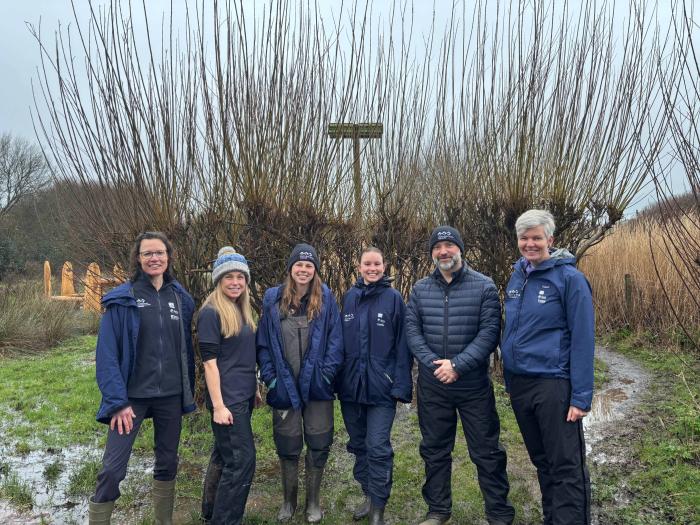
Marije, Sama, Imogen, Claire, Neil and Katie (from left to right)
Marije

Marije Zwager
How does a Dutch girl like me end up working as a wildlife warden in Devon?
You take a rural upbringing on a smallholding with ponies and lots of other animals which instils a lifelong love for the great outdoors and a responsibility to care for fellow living creatures. Then you add a healthy dose of independence and wave her off to Australia on a gap year where she meets the love of her life who lives in the UK. She returns home to study English but secures a place on the Erasmus scheme to attend Exeter University in her third year. Reluctantly she leaves to complete her final year in Holland and no sooner has her dissertation passed the grade she jumps on a plane back to her beloved Devon, never mind the graduation ceremony!
Lacking work experience she tries her hand at various jobs to pay the bills until she spots a fox limping around outside her Tiverton office window. “I want to help wildlife”, she decides, and climbs the RSPCA career ladder via the Exeter animal home and call centre to training school and, aged 26, a full-time job in the Inspectorate with her first post in London. In at the deep end but she works hard and learns how to deal with aggrieved pet owners and wildlife emergencies alike. She realises the importance of good working relationships with other agencies and braves the witness box to give evidence in trials. After 4 years she secures a transfer back to Devon and for the next 13 years travels the length and breadth of the county coming to the aid of fur, feather and scales. She feels a great deal of satisfaction at the recovery of abused and neglected animals, but the job is taking its toll on her personal wellbeing. Time for a change.
A career in conservation was the natural choice and summer 2022 she celebrated a distinction in Land and Wildlife Management from Bicton College, having met lots of wonderful volunteers and staff at various practical habitat management sessions and learned a host of skills to boot. To cement her commitment to future employers she moves into the bungalow at Berry Head Nature Reserve with a second long-term volunteer from Ireland to assist the Torbay Coast and Countryside Trust ranger team 4 days week with the day to day running of the busy reserve. She becomes very familiar with all the special flora and fauna which call this limestone outcrop their home and enjoys sharing this knowledge with visitors to the site, so she was delighted to be appointed by TCCT as their Engagement Officer. The past three years have been a wonderful combination of wildlife encounters and public engagement, ecological monitoring and volunteer work parties, until it all came to abrupt end late October 2025. After 25 years of caring for nearly 80% of green spaces in Torbay, the Trust entered voluntary liquidation, and all staff were made redundant with one week’s notice.
The following month, still in shock from the sudden change of events but determined to continue making a positive contribution to the protection of nature in Devon she writes her application for the wildlife warden position because she knows in her gut it is hers for the taking. Everything that she had learned so far and all the experiences she had gained throughout her career had led her to this point and that same Dutch girl, now having lived more than half her life on this side of the water, is very proud to be joining Katie and Sama, Imo and Claire on the frontline at Dawlish Warren, The Pebblebed Heaths and out on the Exe. See you very soon! Marije
Claire
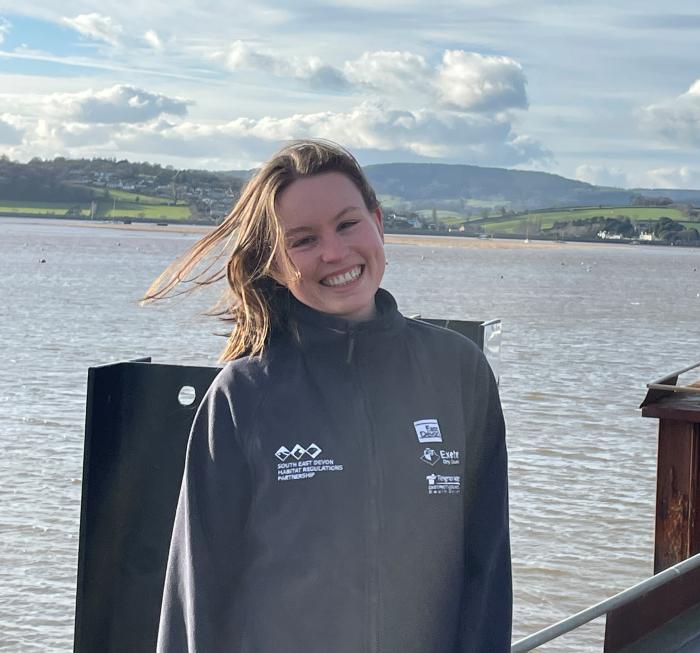
Claire Spence
Hello everyone, I’m Claire, and I’ve been working as a wildlife warden for about a year now and absolutely love it. I especially enjoy heading out on the boat to take in the incredible wildlife on the Exe Estuary, and there’s nothing better than seeing all the birds flying overhead as the high tide rolls in and they settle at Dawlish Warren.
Conservation wasn’t something I knew I’d go into, but I did have a fascination with the ocean growing up, and when my mum found an international wildlife degree, everything clicked. I went on to study Zoology at the University of Exeter in Cornwall, where I volunteered with the Cornwall Wildlife Trust, the Polzeath Marine Conservation Group and much more. I fell in love with studying how people and wildlife interact, which led me to a Master’s in Conservation at the University of Kent, researching how Indigenous stories shape the conservation of pink river dolphins in the Peruvian Amazon. After that, I spent time working with BirdLife in Switzerland at the beautiful Klingnauer Stausee floodplain reserve. Now, I’m really loving life here in Devon, especially getting out for walks by the sea and ending the day curled up on the sofa with a good show and a cup of tea.
Katie
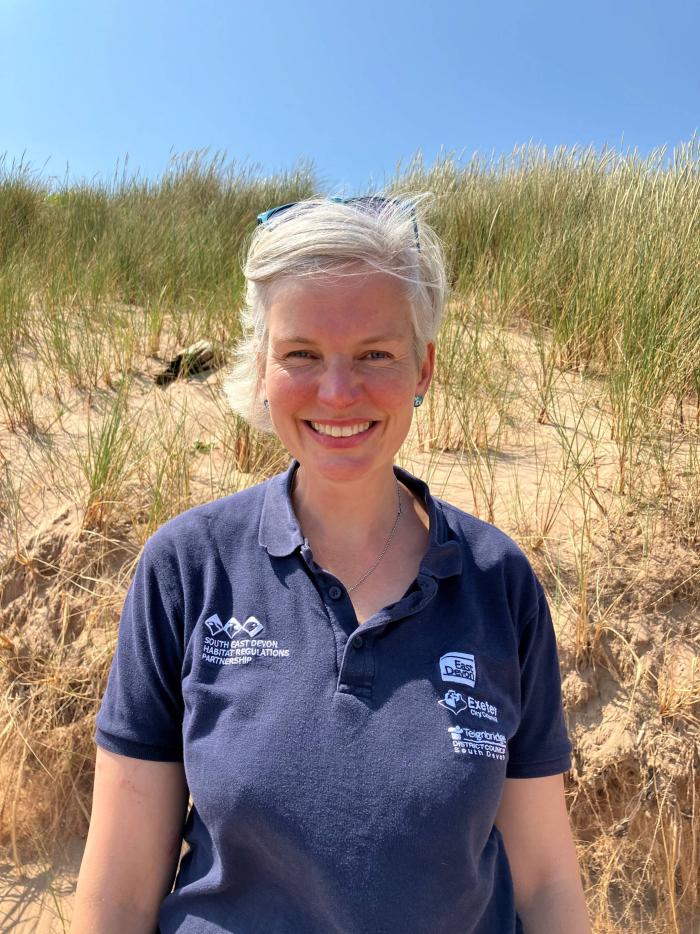
Katie Jones
Hi I’m Katie, I started the job as Wildlife Warden in May 2023, which was frankly an amazing time to start. All our sites are looking lovely and full of flowers; the weather is perfect; everyone is out in the sun and having a great time!
I think the best part of the job is talking to people who often have no idea what wildlife they’re looking at but once they know become very enthused by all the nature they can see around them. This particularly happens at Exmouth Wildlife refuge when we get to talk to people and show them the birds they can see through the scope. People will then often recognise you and come up on another day to tell you what birds they’ve seen, I love that!
My best site to visit is Dawlish Warren, who doesn’t love a trip to the beach for work?! For such a small site, it has some unusual habitats, such as the dune slacks which are full of rare plants like marsh helleborines and purple loosestrife; wasp spiders and giant green hawkmoth caterpillars. I’ve also seen ospreys, sand lizards, so many orchids, lesser crested terns and birds nest fungus there, plus the light changes over the sea make it look so different every time I go.
Outside of work, I enjoy exploring our beautiful countryside, spotting wildlife and trying to remember the names of wildflowers. I was very lucky to recently see a wild otter, in Pembrokeshire, and on my birthday! I also do a bit of practical conservation as a volunteer on my local nature reserves, with a lovely bunch of people and have recently been helping moving breeding toads across a busy road.
Imogen
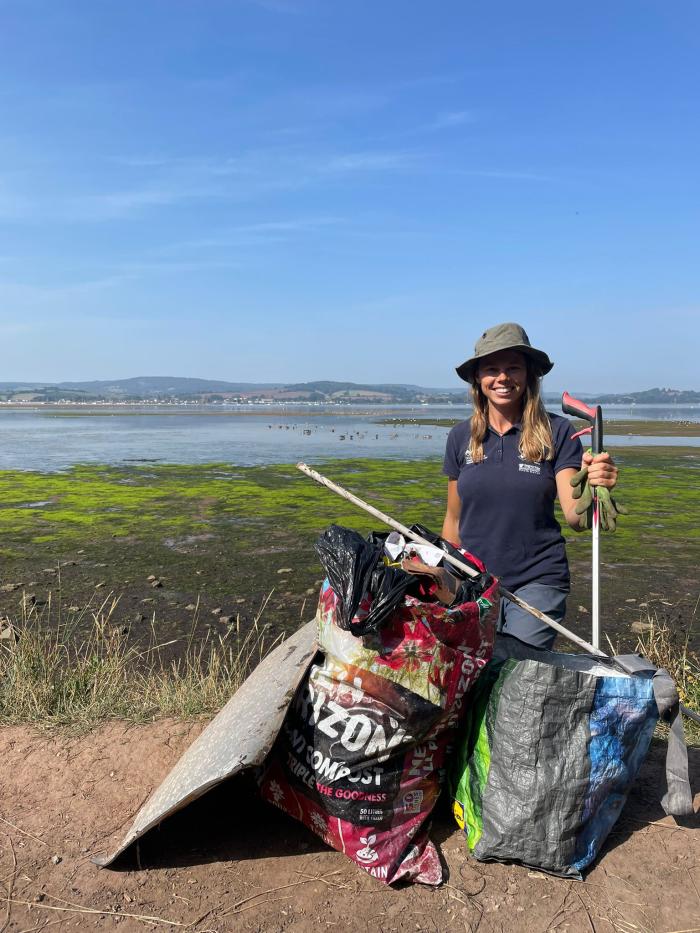
Imogen Salmon
Growing up in the countryside with over a dozen siblings meant the outdoors was where I found my own space — a place of peace, curiosity, and the beginnings of a natural passion for wildlife. That busy, nature‑filled upbringing shaped who I am and laid the foundations for the work I do today.
My journey into conservation began with volunteering, where I realised that protecting wildlife isn’t just about habitats—it’s about people. Understanding how we all interact with wild places is essential, and it’s what nudged me down the “people path”. Before becoming a Community Engagement Ranger and eventually a Wildlife Warden, I spent a couple of unforgettable years travelling with the main aim of conservation volunteering, fitting in watersports instructing work along the way. Later, while at university, I worked as a seaweed harvester along the Cornish coast. Moving with tides, weather, and the rhythm of the shoreline deepened my connection to these landscapes.
I’m also a recreational user of the outdoors—someone who seeks adventure in the wild places I help protect. That balance has shaped my perspective: I understand both the joy and freedom people feel in nature and the responsibility we all share to care for it. Seeing things from both sides helps me support a positive relationship between people and wildlife.
Over the last 3.5 years as a Wildlife Warden, I’ve collected countless memories that continue to stop me in my tracks: a peregrine falcon feasting on a small wader at Dawlish Warren; an adder curled calmly in a rainy car park; stumbling across a magnificent puss moth caterpillar on a young willow stem; a murmuration of dunlin sweeping over our patrol boat on the Exe. And then there are the conversations with visitors, education sessions and talks—moments where questions arise, and curiosity leads to shared learning and genuine connection.
Returning from maternity leave has brought a renewed motivation and a strengthened sense of meaning. Becoming a parent has deepened my sense of purpose and sharpened my understanding of why this work matters. At its heart, we depend on nature for the survival and wellbeing of future generations — including my daughter’s — and that makes this work feel more urgent than ever. I want people of all ages to form a positive relationship with the natural world, to discover what inspires them about nature, and to grow up caring for the places that support us. When we nurture that connection, we all reap the benefits nature provides.
Sama
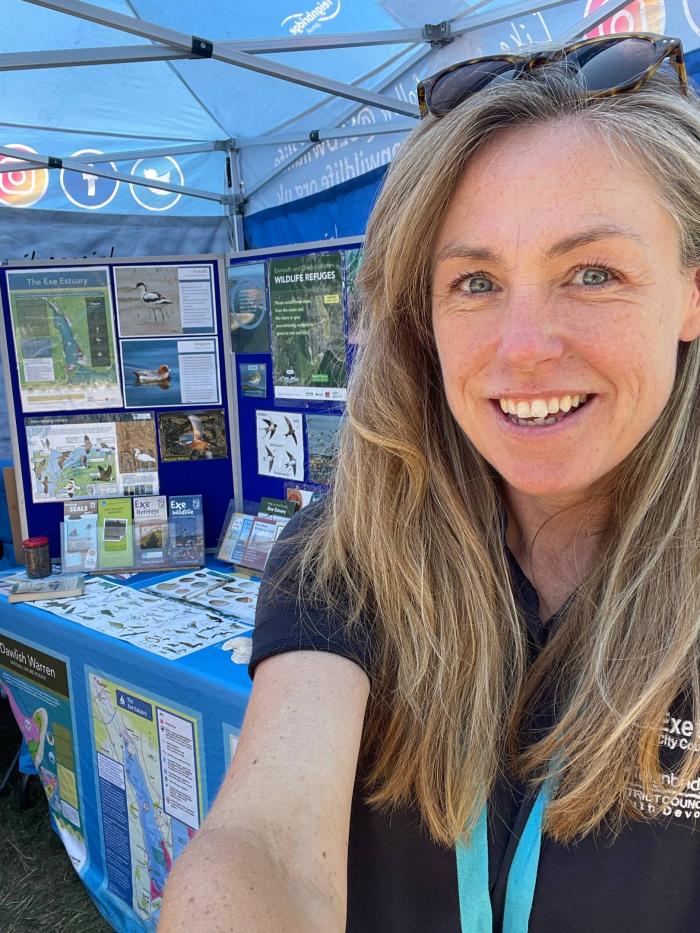
Sama Euridge
Hi, I’m Sama
I’ve been in role for 9 years now, helping to build this project from the grass roots up. I’m so proud of the progress we’ve made, what we’ve accomplished and how the team has grown. A lot has changed over the years, no less people’s perspective of the importance of access to nature, healthy ecosystems and thriving wildlife. It’s good to see this recognised, even if there is still work to do.
I’m a career-changer. Before this role, I worked in Physics. I came to conservation through a need to get outside, and a drive to make my life purposeful. Less data and coding and electric lights, more sun on my face, more birdsong in my ears. I found easy joy being in to nature and I wanted to find a way to pass that revelation on.
I worked and volunteered all over the world before meandering back in my home patch. Oceanographic research in Scotland and coral reef conservation in the Philippines is all very well, but the rolling Devon countryside and sparkling sea is heaven for me.
I made the transition to conservation though residential volunteering. I spent a brilliant year with Devon Wildlife Trust as a practical conservation trainee and a following 12 months with the National Trust at Box Hill in Surrey in Education and Engagement. There is so much to learn in nature, ‘the pulled thread unravels’. I was inspired by the depth of knowledge and quiet passion of volunteers. For anyone contemplating a career in conservation, the route though residential volunteering is a valid alternative to an expensive university degree, which feels out of reach for many.
Outside of work, it’s all about family time, I’m a busy Mum to two high energy boys, 3 and 6. Odd name choices I know. We spend a lot of time outside, swimming, beach time, on the water. I’d like to include walking as one of our pastimes, but dawdling is probably more honest. And that’s fine. An opportunity to remind ourselves to slow down and take in the little wonders of nature, the dappled sunlight through new spring green leaves, a bumbling beetle, the drumming of woodpecker. Life is in the little things.
What to see now!
The Long-tailed Tit is a tiny, sociable bird easily recognised by its soft pink, black and white colouring and its tail, which is longer than its body. Usually seen in lively flocks flitting quickly through hedgerows, woodland and gardens. They feed mainly on insects such as caterpillars and moth eggs, though they may visit feeders in winter. In spring they build intricate nests from moss, lichen, feathers and spider silk, and on cold nights they often huddle together to keep warm.
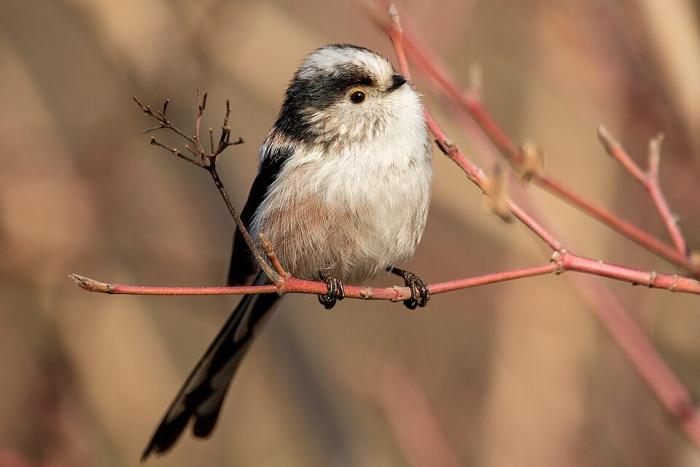
Long-tailed Tit (Alexis Lours)
Nesting activity in all shapes and sizes!
Have you noticed how loudly the birds are singing at the moment? These are likely to be males proclaiming their breeding territories and hoping to attract a suitable mate.
Spring is a busy time and while most birds will go to great lengths to create nests from scratch, Great Spotted Woodpeckers are happy to move into existing tree cavities such as this oak. Early March I witnessed their loud drumming display and a noisy squabble of three Woodpeckers at the top of this tree so fingers crossed there will be chicks peeking out in April!
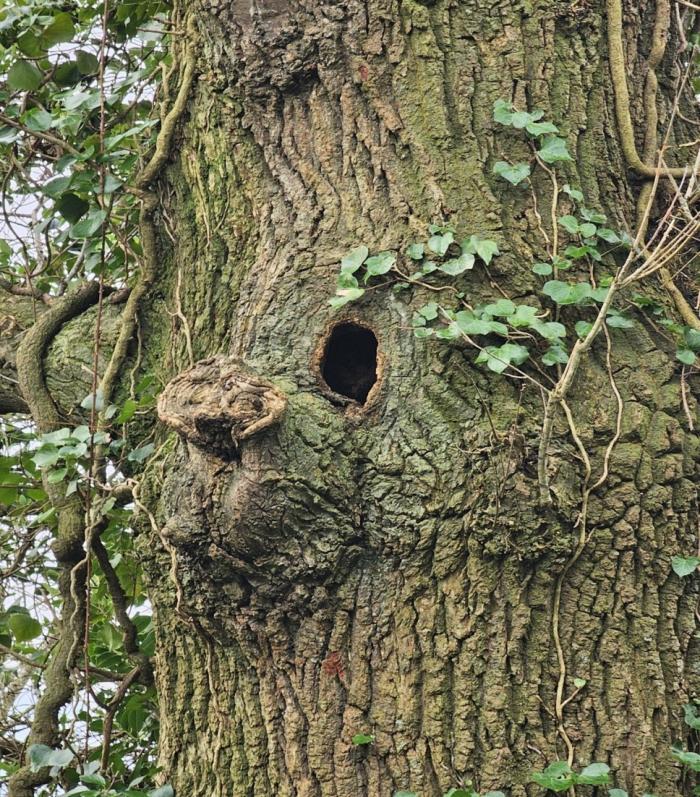
Woodpecker Nest
It is worth remembering that not all birds locate their nests up safe and high: Dartford Warblers prefer the dense prickly gorse, Skylarks nest on the ground in short vegetation, and Nightjars opt for scrapes on the heathland floor, relying on their camouflage to avoid detection.
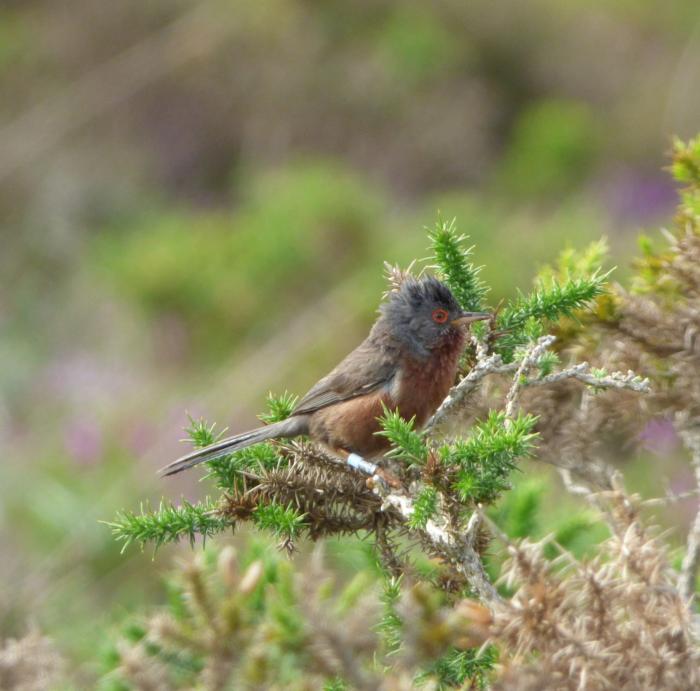
Dartford Warbler
One of the first wildflowers to appear after winter, the glossy, golden star of Lesser Celandine is not only an important nectar source for our early emerging bumblebees – it was a favourite of Wordsworth, who penned no less that three odes to it. Move over daffodil!
Brightening up the roadside verges across the heaths, this relative of the buttercup, creeps to form blankets of jolly, jostling yellow flowers.
Historically, this humble flower has influenced the study of phenology – the study of the impact seasonal climatic variations on natural lifecycles - when renowned naturalist Gilbert White noted the first flowering of Lesser Celandine occurred annually on Feb 21st in his home village of Selborne, Hampshire, back in 1795.
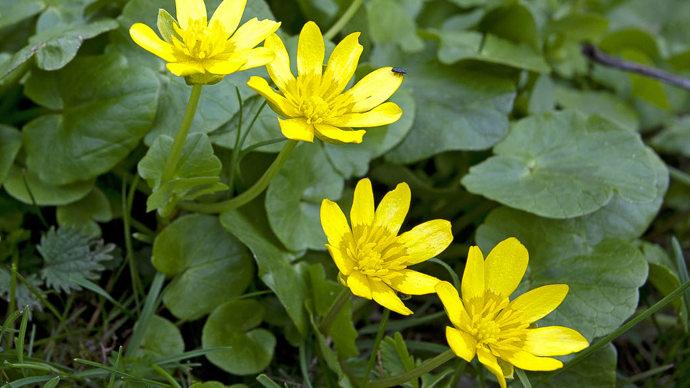
Lesser Celandine
When Countryfile came to town… (behind the scenes)
At the beginning of December, there was great excitement from our team when we learned that Countryfile wanted to come and film us, and the Exmouth and Dawlish Warren Wildlife Refuges. Neil Harris (Habitat Regulations Delivery Manager) and Anne Mountjoy (Senior Communications and Marketing Officer) carefully planned a detailed programme of events for Countryfile to film, featuring a trip out on the patrol boat to see the Wildlife Refuges from the water and film some of the birds in the estuary, and a walk down to the South East Devon Wildlife gazebo on the Imperial Recreation Ground to see our work on public engagement.
However, Storm Bram put paid to best laid plans and roared into town with high winds and heavy rain. Fortunately, on the following day the weather was much better! You’ll see on the TV programme, that Countryfile presenter Charlotte Smith is standing on the Exmouth dock with a very foreboding sky, she bravely still went out on the Stuartline boat during the storm!
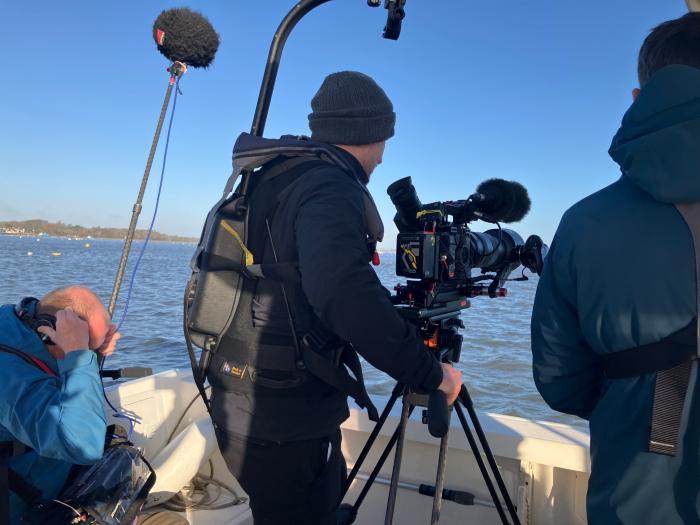
Countryfile Film Crew on the Water
We met Adam Henson and the film crew in Exmouth. The marina was being dredged so we had to get the boat moved to the entrance outside the silt curtain. It was still pretty windy and wavy after the storm and Warden Claire had a job getting the boat out. Once they were out on the water, the conditions were better, and filming went well. Due to the logistics of the dredger in the marina, the section where Adam is filmed putting his buoyancy aid on and meeting Neil was filmed at the end, although shown at the beginning.
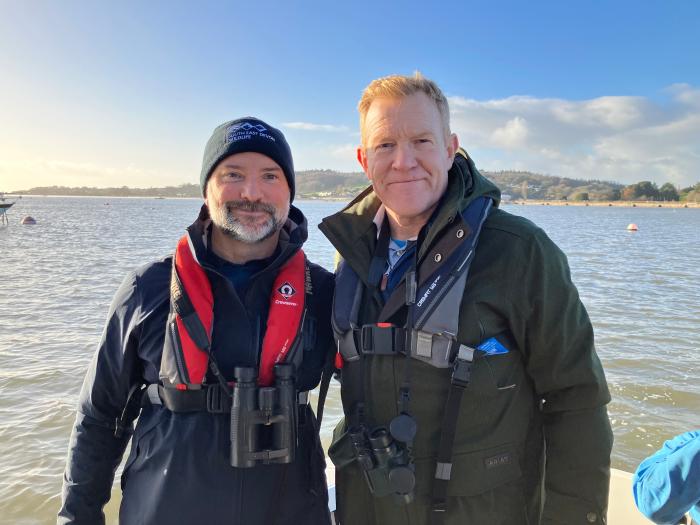
Neil meets Adam on the boat.
The filming crew went for lunch and Neil and Claire headed over to the Imperial Rec to meet Warden Katie and a volunteer who were doing a pop up and talking to people about the birds you could see in the Refuge. It was almost low tide, so the majority of birds were starting to leave or at least were quite far away from the shore, this is usually when we would pack up the gazebo and go and do something else. However, in this case, we pretended that we were putting the gazebo and telescope up which they filmed. Then Adam walked into shot like he was a member of the public and asked Warden Katie quite a few questions about engaging with the public. Apparently, he had only been drafted in to do the filming at the last minute due to the re-scheduling, as Charlotte wasn’t available, so he had had the duration of the car journey to look at the questions. A consummate professional, Adam was easy to talk to, and I almost forgot that we were being filmed, just a lovely chat! My chocolate-based fact, is actually Mars bars rather than a generic chocolate but there’s no advertising on the BBC, so the filming was stopped and I had to re-do the fact.
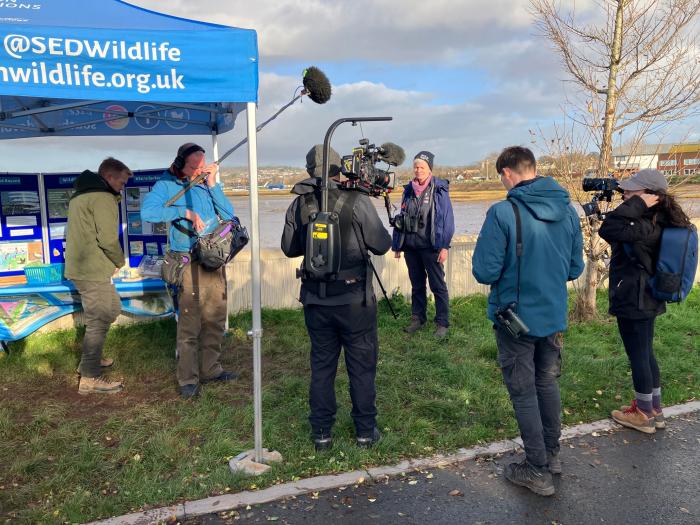
Countryfile Crew filming Warden Katie
After filming the interview, there was the B-roll filming, I did not know what this was, but it’s where the crew re-film the interview but without the speaking bit, this felt slightly strange as I had to have exactly the same conversation I’d just had with Adam, and had to stand in the same place while they film around you. Finally, one of the researchers went up to members of the public to ask if they would be willing to be in the episode, perhaps not surprisingly for the UK, not many people were very keen but eventually he found a couple who were happy to be filmed and I was filmed with them pointing out birds, (there were none, as by this time it was properly low tide)!
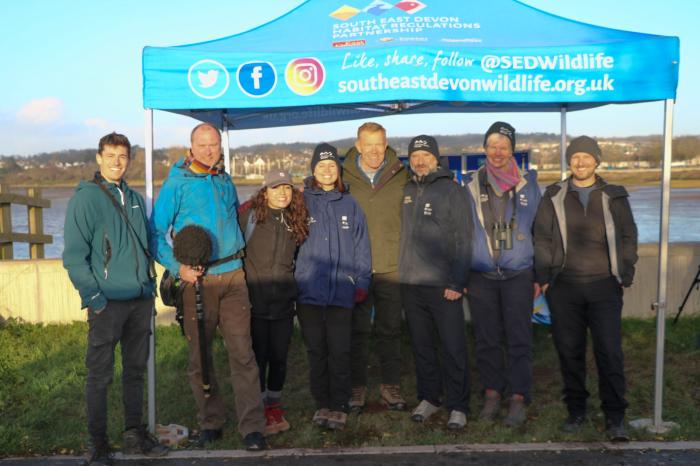
Countryfile Film Crew with Adam Henson and South East Devon Wildlife Team
It was strange to see people realising it was THE Adam Henson and stopping him to say they loved his work, gave a small taste of what it must be like to be famous!
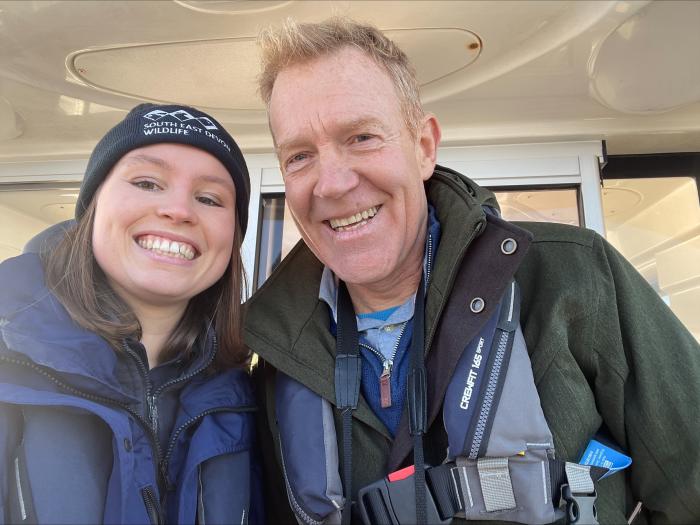
Claire and Adam on the patrol boat.
We were filming with Adam and the crew for about 4 hours, of which approximately 8 minutes made it into the programme. It was quite an intense day, however, we were all very pleased with the outcome and think it showcased the Wildlife Refuges and the work we do very well.
You can catch up with the episode on BBC iPlayer, here : Countryfile - Exe Estuary - BBC iPlayer (we're the second article, after the Exeter Port Authority!)
Warden Katie
Spring in South East Devon: A Critical Season for Wildlife
Spring is one of the most hopeful — and sensitive — times of year across our South East Devon Nature Reserves. Whether you’re exploring the dunes at Dawlish Warren, walking the wide, open Pebblebed Heaths, or watching wildlife on the Exe Estuary, this is when many birds, reptiles and marine mammals are nesting, basking or resting.
It’s a beautiful season to be outdoors, but with so much wildlife active at ground level, sticking to paths, keeping dogs close and being mindful of sensitive habitats makes a huge difference.
Dawlish Warren Species
Breeding Birds at Dawlish Warren
Skylarks nest right on the ground in the dune grassland. Their nests, hidden among grass tussocks, are extremely vulnerable to disturbance from off‑path walkers or dogs.
The Warren is also an important nesting site for shelduck, which often use rabbit burrows and sandy banks to raise their young. Quiet dune areas are essential to their breeding success, making disturbance a real concern during spring.
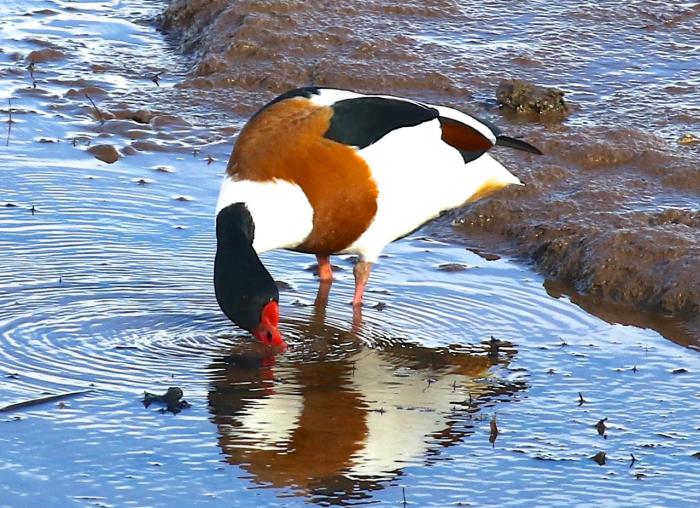
Shelduck Feeding (Derek Carter)
Reptiles at Dawlish Warren
Dawlish Warren supports one of the UK’s rarest reptiles: the sand lizard. These striking green‑flecked lizards bask in warm patches of open sand and dig nest burrows in bare, sun‑exposed areas. Early spring disturbance can prevent them warming up properly or may cause females to abandon preferred nesting spots.
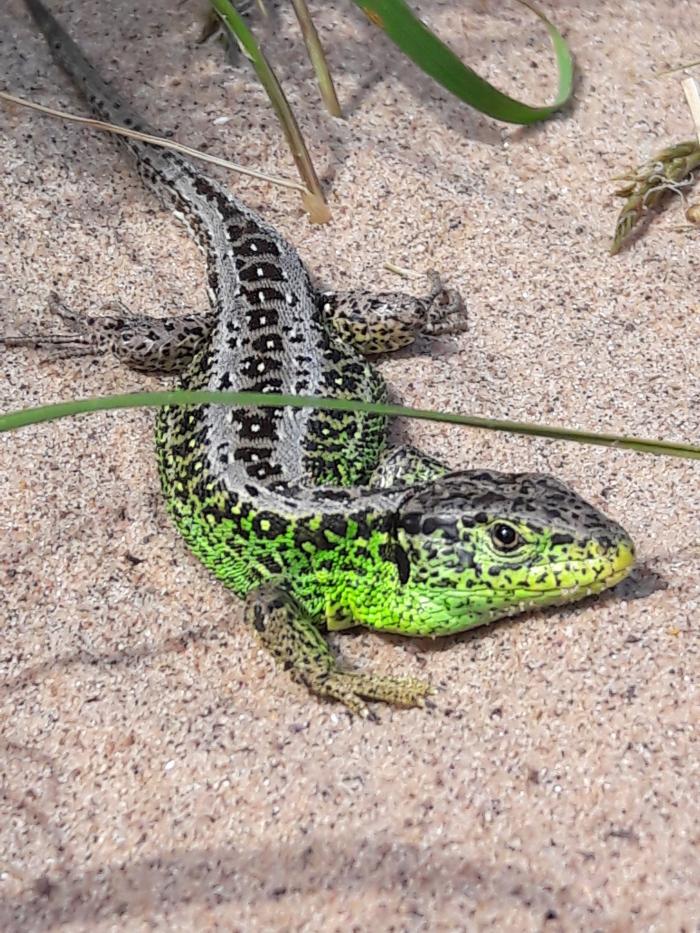
Sand Lizard (Phil Chambers)
Heathland Specialists on the Pebblebed Heaths
Ground Nesters
On the heaths, meadow pipits are a familiar sight, performing fluttering display flights over the heather, while tree pipits return from Africa in late spring to sing from scattered trees. Both nest on or close to the ground and depend on disturbance‑free areas.
Nightjars arrive in May and nest directly on bare ground, often beside woody piles. Their eggs blend perfectly with leaf litter, making nests almost impossible to spot.
Gorse Nesters
Dartford warbler and stonechat nest low in dense gorse from March until the end of July. Their nests are hidden within the vegetation, often very close to paths, making them extremely vulnerable to disturbance from people, dogs, horses and bikes creating new paths through the gorse.
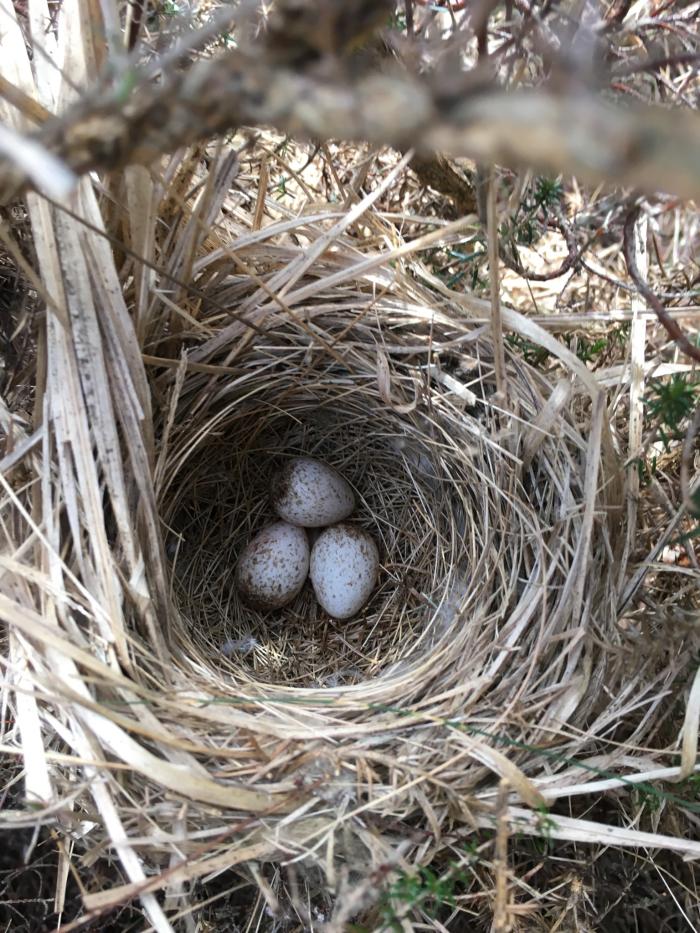
Dartford Warbler Nest (J Marshall)
Reptiles
The Pebblebed Heaths also support adder, smooth snake, common lizard, grass snake and slow worm, which bask in sunny, open patches after emerging from winter dormancy. Spring is also the start of the reptile breeding season — many reptiles are now beginning courtship and egg‑laying, making undisturbed habitat especially important.
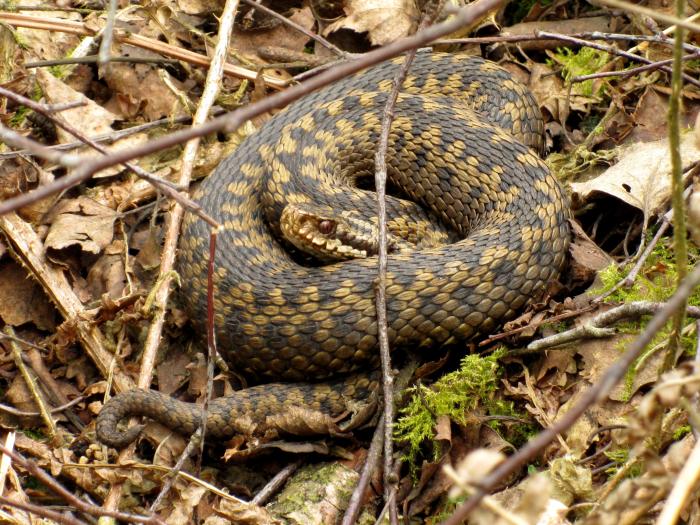
Female Adder (Kim Strawbridge)
Spring on the Exe Estuary: Seals Need Space Too
While the Exe Estuary is not a breeding site for seals, spring is still a highly sensitive time for the grey seals that haul out here. During the spring months, grey seals undergo their annual moult, shedding and regrowing their fur. They spend long periods ashore during this process, relying on quiet haul‑out sites to rest and conserve energy.
Because moulting reduces their insulation, seals are more sensitive to disturbance — sudden flushing into the cold water by people, dogs or watercraft can cause stress and slow their recovery. Many seals also arrive in early spring after winter breeding elsewhere, making this rest period especially important.
Giving seals plenty of space from footpaths, boats and dogs helps them safely complete this essential stage of their annual cycle.
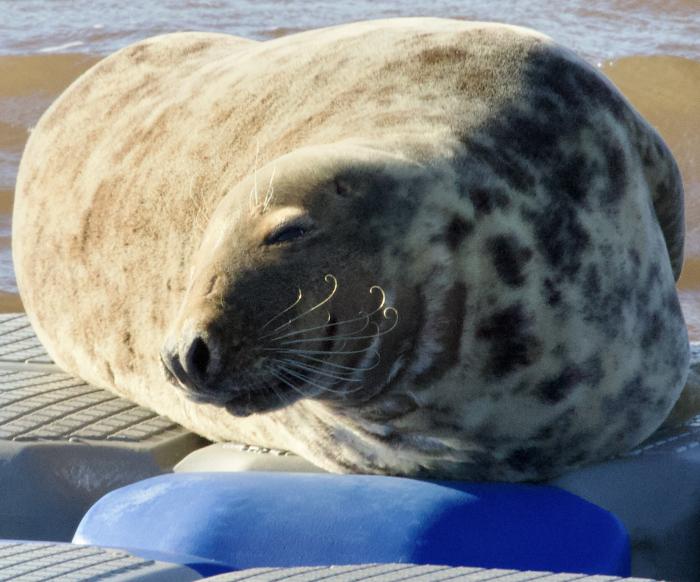
Grey Seal (Derek Carter)
Spring Fire Risk: A Critical Threat During Breeding Season
Spring is the peak wildfire season across our heaths and dunes.
Why spring is especially dangerous:
- Vegetation remains winter‑dry, making heather, gorse and grasses extremely flammable
- Strong spring winds help fires spread rapidly
- A single fire can wipe out an entire season’s breeding success — wildlife is highly vulnerable, and nesting species cannot escape quickly
Preventing ignitions is one of the most important ways we can protect wildlife in spring.
How You Can Help This Spring
- Stay on marked paths
- Paws on Paths too! Keep dogs close, especially in areas with ground‑nesting birds or basking reptiles
- Give seals more than 100 metres of space and avoid lingering near haul‑outs
- Never use barbecues or open flames on any of our nature reserves — instead use designated areas
- Dispose of cigarettes safely
- Report smoke or fire immediately by calling 999
- Respect seasonal signage and temporary fencing
Small Actions, Big Impact
By taking simple steps — staying on paths, controlling pets, giving wildlife space and preventing fires — you directly help all our wonderful wildlife thrive during this critical season.
Large seabird decorated with silver
That is what its Latin name means, Larus Argentatus, which is a lot more apt than the term Herring gull because they do not have a special preference for this species of fish!
Common and widespread, it is easy to overlook our resident Herring gulls in favour of rare shore visitors, but they are beautiful, loyal birds which pair for life and it is equally important to allow them space to feed and rest undisturbed by keeping our distance and not allowing dogs to give chase.
With their piercing eye, quick manoeuvres and protective nature they may not be endearing to us, but who can blame these clever birds for adapting to a fast-changing environment where roofs have replaced cliffs, and climate change because of human impact has significantly reduced their food in the oceans?
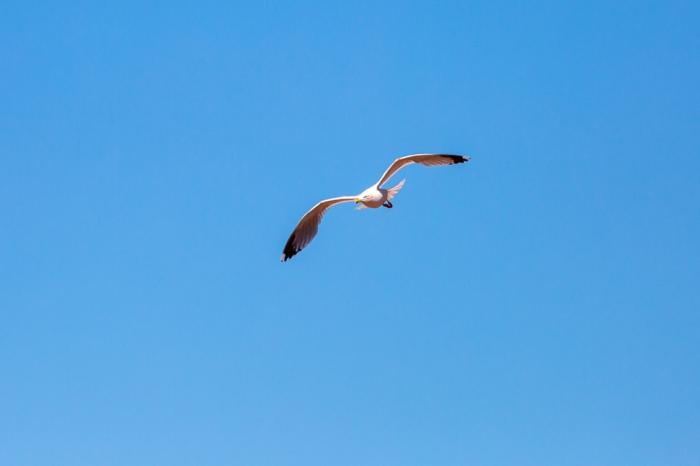
Herring Gull in Flight (Malcolm Jarvis)
Truth is they are struggling, really struggling, with a UK population drop of 60% between 1969 and 2015. Due to this level of decline Herring gulls are on the Red List of Birds, alongside another 69 British bird species of serious conservation concern.
Naturally present at the seaside foraging for prey such as fish, crabs, starfish and sea urchins, these omnivores have had to resort to flying inland in large flocks to scavenge at landfill sites, garbage dumps and sewage overflows, to complement their diet with up to 50 percent refuse. Ugh!
At risk of ingesting plastic, getting sick and spreading harmful contaminants, gulls are now often prevented from eating at our waste sites by covering them over. With empty bellies rumbling, and a sense of taste particularly sensitive to salt and acidity, is it any wonder these resourceful birds eye up our snacks? Those chips with vinegar are an easy meal compared to dancing on the spot for mole-evading earthworms!
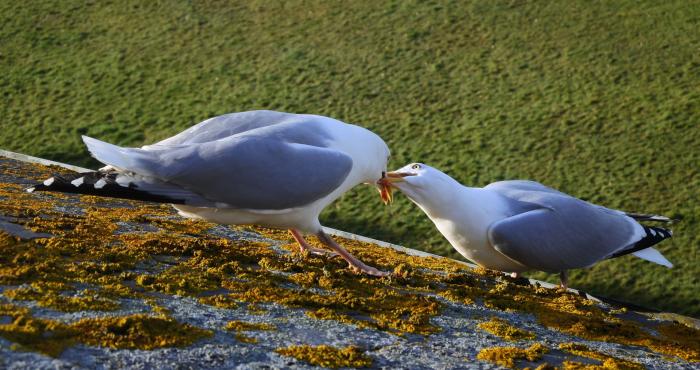
Two Adult Herring Gulls (Richard Morris)
Thankfully we can all help to reduce the human-wildlife conflict, by not feeding the gulls, by properly disposing of our rubbish and by staring back at the gulls....yes, really! In 2019 researchers from the University of Exeter discovered that just watching the gulls reduces the chances of them stealing our food. Perhaps this explains why they tend to ambush from behind!
A History of How Scientists have Learned about Bird Migration
The history of bird migration is almost as captivating as the journeys the birds make themselves and, in this article, we look at some of the historical milestones that trace our unfolding understanding of bird migration.
In the 4th century, Aristotle correctly recognised some aspects of bird migration, such as birds fly south for the winter. However, he hypothesised that swallows hibernate in crevices and this misconception persisted into the 1800’s!
Early clues about migration came from captive birds behaving oddly, with reports from the early 1700s onwards describing strange changes in caged birds’ activities around the time of wild bird migration. Captive birds have been observed to put on weight, grow restless, become much more active at night, and scratch against the same side of their cages repeatedly.
In 1822, German villagers shot down a white stork that had a spear made of African wood impaled in its side. This was the first concrete evidence of migration between continents and since then there have been approximately 25 other similar cases.
In 1880, ornithologist William Eral Dodge Scott was offered a view of the moon through a telescope and was astonished to see birds flying at night, silhouetted against the face of the moon. He was able to use his observations to calculate a rough estimate of how high they must be flying. Scientists now know that 75% of songbirds that migrate do so, between 150- 600m above ground level, whereas waterfowl such as ducks and geese fly at heights of between 60 – 1200m above ground level.
In 1899, Hans Christian Cornelius Mortensen, a Danish teacher and ornithologist was the first person to place metal rings stamped with a number, his name, and address around the legs of starlings to study their movements. The experiment was a success and only one year later the first results were published. The method attracted much attention abroad and in the following years many countries started to ring birds and establish ringing centres.
In 1952, two scientists recruited volunteers across America to record migrating birds flying across the moon. By the end of autumn, reports had been received from every state in America and all but one of the provinces of Canada. Due to difficulties of processing so much data without computers, the scientists weren’t able publish their results until 14 years later!
In 1965, the first radio transmitter was affixed to a bird whilst it was making its migration, the scientists then followed the bird in a plane for over 400 miles. Sixty years on, we now have a tracking system with receivers on the International Space Station which can provide lighter, low-cost trackers with higher quality data than ever before.
With the advent of such small trackers, scientists have discovered many incredible journeys made by birds across the world. For example, arctic terns fly around 25,000 miles a year, to take advantage of the best weather and get the best food. Unlike some birds, they can sleep and eat in the air without needing to stop which is very advantageous if you’re going to fly really long way on a regular basis!
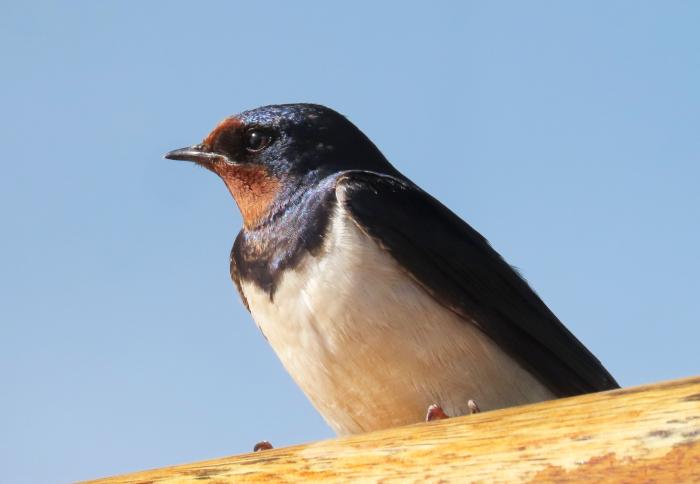
Barn Swallow (Richard Morris)
Swallows migrate to south Africa, a distance of approximately 6000 miles, over a period of about 6 weeks and cover around 200 miles a day. They rest in reed beds overnight in large flocks and feed as they fly along.
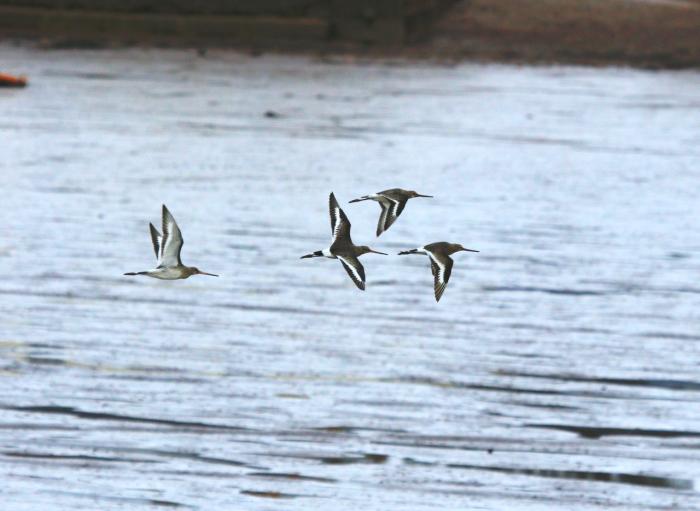
Black-tailed Godwit in flight (Derek Carter)
The black-tailed godwits that overwinter in the UK spend their summers in Iceland, whereas those that breed in the UK spend their winters in Africa.
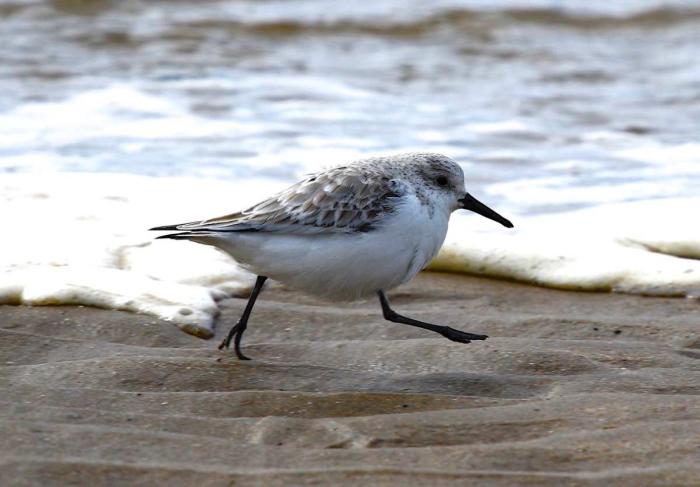
Sanderling (Derek Carter)
Sanderlings migrate to the Arctic to breed, the distance they travel varies but they have been known to make 20,000miles annual round trip to their breeding grounds in the Arctic and then back to their wintering grounds in the UK.
The Dawlish Warren Winter!
The New Year started very unsettled with three storms battering Devon, one after another!
Storm Ingrid stripped lots of sand off the beach and eroded metres of precious sand dunes away, leaving behind steep sand cliffs and sharp metal hazards exposed on the seafront. Fortunately, the Environment Agency field team have been able to come out and remove this unsightly and dangerous debris. From a nature reserve perspective, losing more of this designated habitat seems to be becoming a familiar pattern.
Rising sea levels, more extreme weather events and a shortage of sand on the beach are all contributing to the continuing erosion of the sand spit.
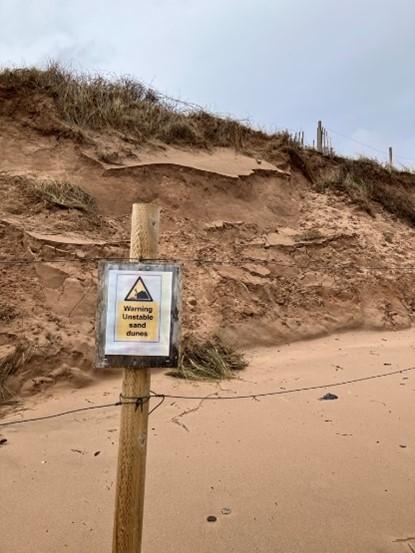
Storm Erosion at Dawlish Warren
The storms did bring some interesting beach combing material, with seldom-seen treasures such as mermaid’s purses, starfish and even sea cucumbers being washed ashore.
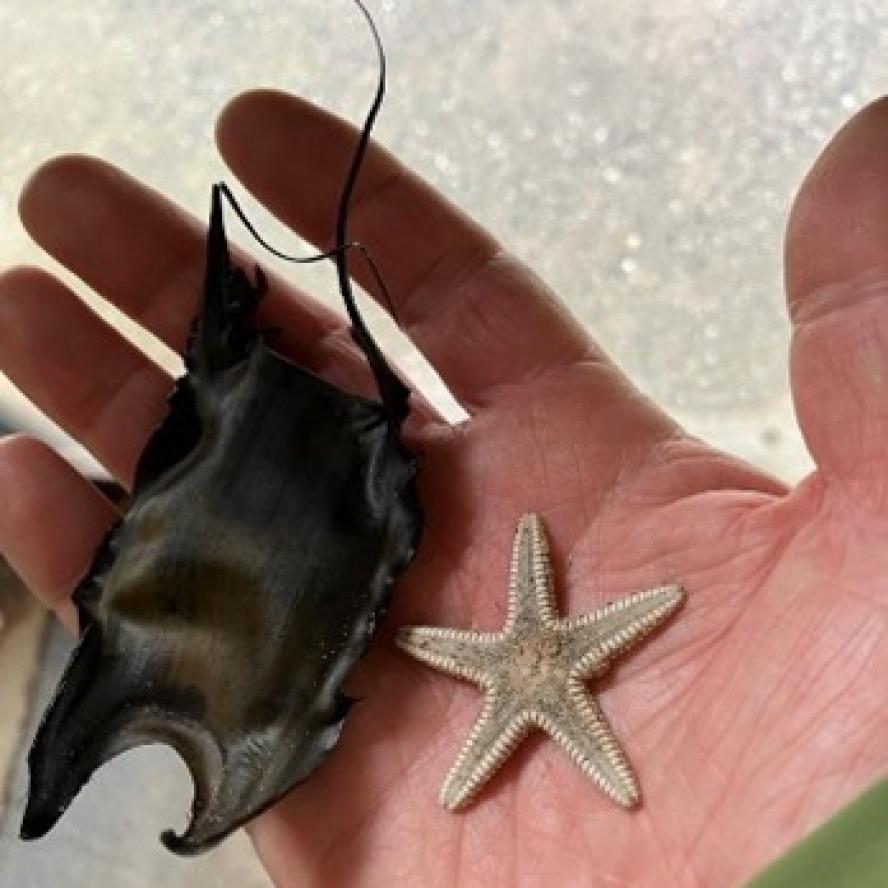
Mermaid Purse and Starfish Found washed up on Dawlish Warren
The exceptional rainfall seen in January has resulted in unusually deep floodwater in the woods and meadows of the nature reserve, with wellies needed for access in many areas.
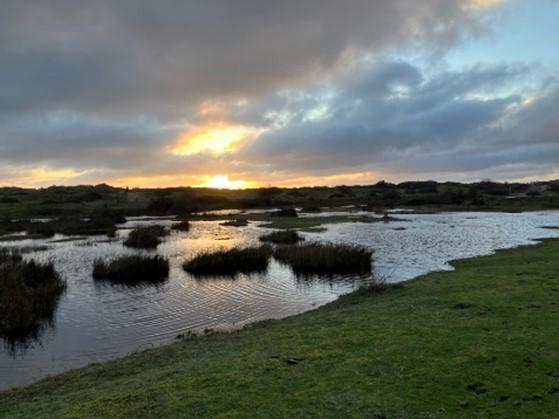
Dawlish Warren Nature Reserve Flooded
The effects of all this prolonged submergence on the flora and fauna are uncertain, though we have found a very large area of frogspawn near the Visitors Centre.
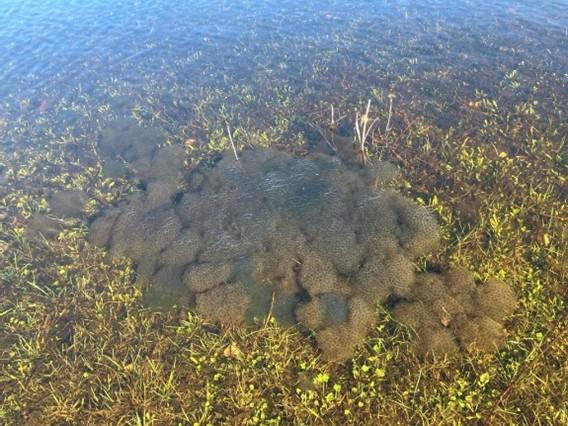
Frogspawn found near Visitor Centre
Signs of spring are everywhere now, with birds starting to establish territories and both Common and Sand lizards out basking when the sun has appeared. Hopefully it won’t be long until the iconic Sand Crocus begins to emerge!
Senior Ranger Steve Edwards
BTO Bird Ringing at Dawlish Warren
On Saturday 21st February 2026, South East Devon Wildlife Wardens Marije and Katie were extremely lucky to join the Exe Oystercatcher Project to take part in a successful session to ring wading birds at Dawlish Warren Nature Reserve.
Licensed bird ringers from the BTO, led by Nik Ward, carefully planned the best place and time to set up the net so they could safely catch as many waders as possible. When everything was in place they remotely deployed a 15-metre cannon net, catching no less than 95 Oystercatchers and 2 Curlews!
Without delay the birds were carefully taken from the net and placed in hessian “tent keeping cages” keeping the birds safe and calm until it was their time to be fitted with a metal ring and a colour ring allowing individuals to be identified in the field into the future. Ten of the Oystercatchers were already carrying colour rings from 2018, 2019 and 2021.
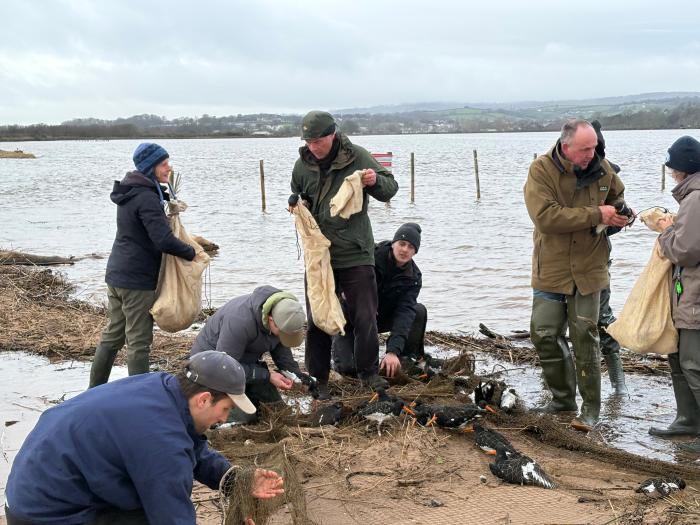
Marije was asked to photograph all 97 for the BTO database whilst Katie and Reserve Ranger Steve had the joyous task of releasing these beautiful waders back into the wild. A truly memorable experience and very encouraging to see so many new ringers acquiring the skills required to carry out future conservation research.
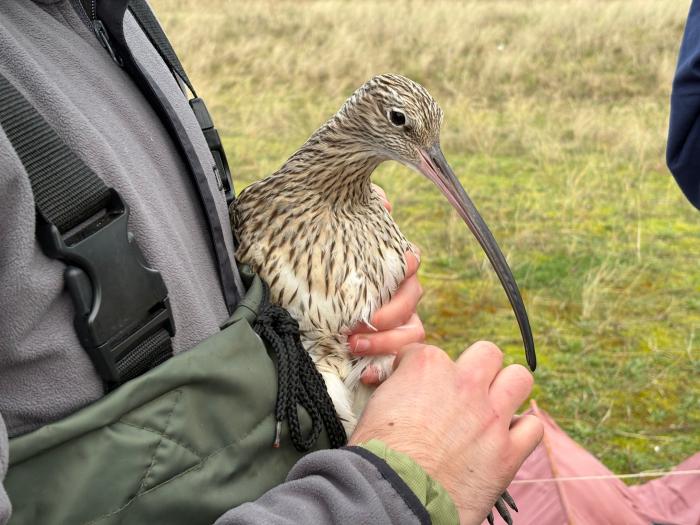
“Bird ringing generates information on the survival, productivity and movement of birds, helping us to understand why populations are changing.” (www.bto.org)
The Exe Oystercatcher Project is also asking for help from anyone who spots colour-ringed Oystercatchers around the estuary. If you see one, please report your sighting to [email protected], including the location, date, flock size and what the bird was doing. The code on the large blue ring should be read from the bottom up. Most rings have a combination of letters and numbers, while a few use two letters. Your sightings help researchers learn more about the movements and behaviour of these birds.
The high tide roosts and mudflats at Warren Point are important and legally protected habitats for shore birds like these Oystercatchers to rest and feed. The Wildlife Warden team would like to remind all dog walkers to avoid these areas - dogs are not permitted past groyne 9 at Dawlish Warren. If you’re visiting with your dog, enjoy the beach off lead between groynes 3 and 9 all year round!
RSPB Aylesbeare Common News – February 2026
It’s been a wet few months on Aylesbeare Common and over the last month Sam & Judit, our residential volunteers, have been learning how we’re helping to mitigate the impacts of our changing climate – read on to find out more...
It probably hasn’t escaped anyone's attention that the last few months have been incredibly wet – it seems as though every other day a weather warning of rain is issued, and the local roads might be better off navigated in a kayak. Unfortunately, this is all part of a pattern of increased intense rainfall that we’ll see more often in the coming years, so we’re going to have to adapt and put in measures to help reduce the devastating effects this can have on our homes, roads and landscape.
One small way in which we’re hoping to make a difference is through increased use of natural flood management (NFM) techniques, effectively reducing the flow of the water coming off the reserve and into our streams, storing more water where possible in ponds and wet areas, and slowing down the flow within the streams that run through our land.
You may have noticed some of this walking along the stream on Harpford Common, where we’ve worked with Devon Wildlife Trust, who have installed a series of ‘leaky dams’ - woody debris laid across the water and pegged down to simulate fallen trees across waterways. They’re leaky, so they still let water and fish through, but push water out across the section of woodland to help store water in the landscape, trap debris and sediments, and create a wet woodland habitat which is fantastic for wildlife (of course this is all the kind of thing that beavers do naturally).
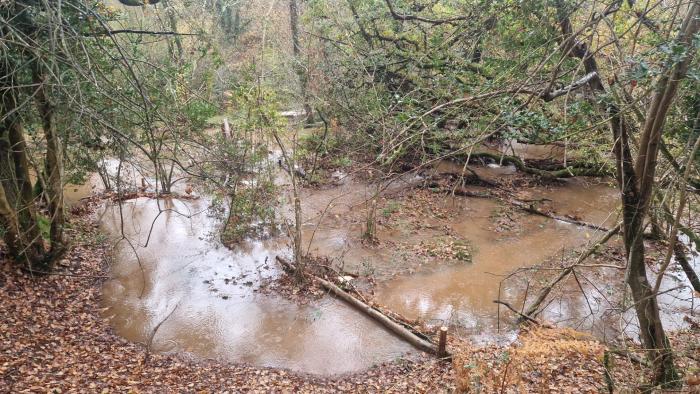
Leaky Dams in Harpford Common
We’re also working to help reduce the amount of water coming off the common at once, by adding tied bundles of birch into the various runnels and gullies across the landscape. They slow the flow and spread the water throughout the heathland (and are great fun to make!). We joined our regular volunteers, who donned billhooks and twine, and turned a by-product from our normal scrub clearance of birch trees into a useful tool to help reduce that run-off.
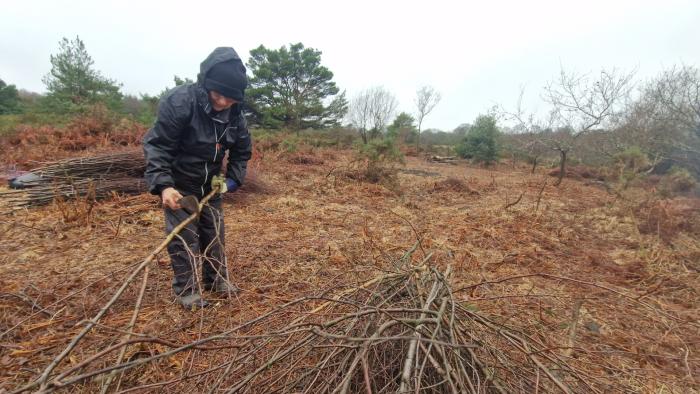
Volunteers Working to create Birch Bundles
It’s all part of a partnership scheme (Climate Resilient Otter Catchment), working with other landowners to install more of these NFM techniques across the area, reducing the force of water that will eventually reach the main river Otter, and helping to reduce the impacts downstream in areas that are impacted by flooding.
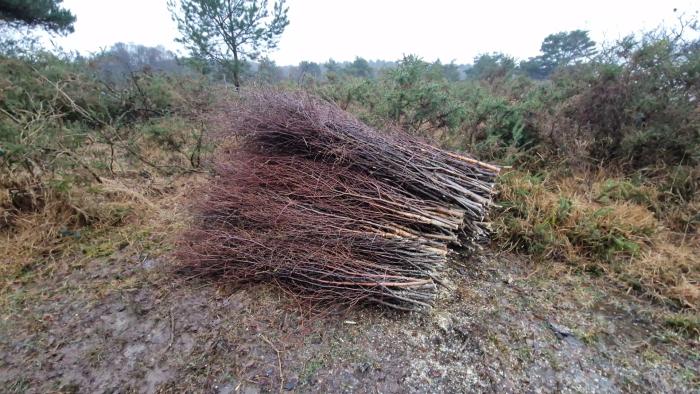
Result of Volunteers Working Hard to Create Birch Bundles
With Spring on its way, the ground nesting birds across our reserves will start breeding, so here’s a little reminder to keep your dog on the lead from the 1st March to 31st July when walking out on RSPB sites to help protect them.
Also a note on Fire Beacon Hill above Sidmouth, which is now being grazed by cows with NoFence collars again. Please keep you dogs close by and avoid interaction with the cows, to prevent any issues with them escaping the invisible fence. There are no fences on Fire Beacon Hill so it is particularly important to try not to scare the cows (who are also all in calf).
You can check where the cattle are grazing on this map: Nofence grazing map
The other RSPB sites with open access are Aylesbeare and Harpford Commons, Venn Ottery Common, Manor Common and Withycombe Raleigh Common (over the road from Bystock Pools). Thank you.